 BANANA MAN
I had just finished performing in Montreal and Ottawa and was preparing for my COURAGE TOUR. I would present in Bermuda, Calgary, Edmonton, Alberta, and Edinburgh, Scotland. Then, BAM! All schools were shut down due to the COVID-19 virus. All my presentations and after-school programs were cancelled. Now what?
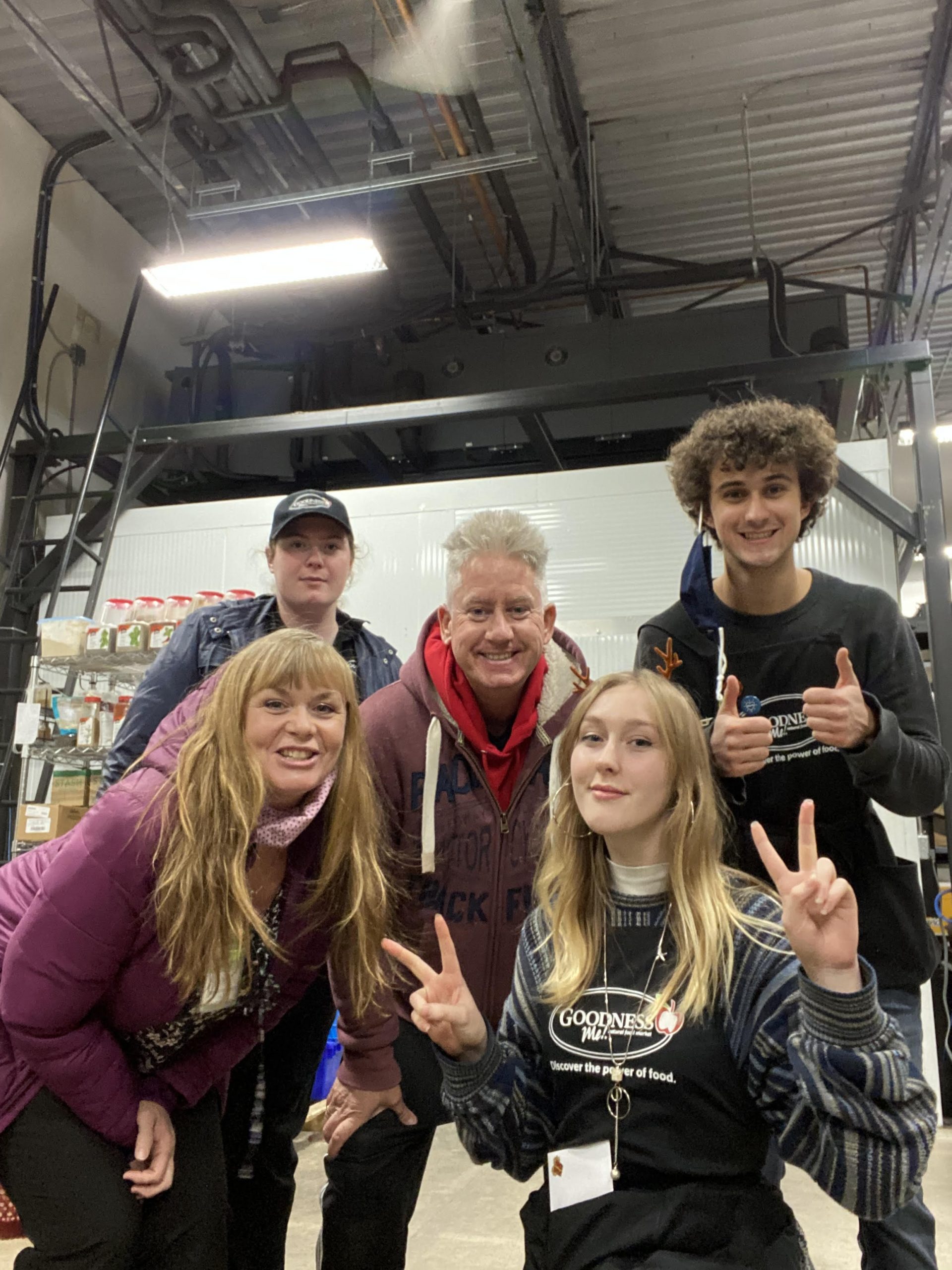
I tried my hand at a podcast and worked on an e-book. I structured my day with eight-kilometre walks, played guitar, and worked on Kids 4 Kids projects. A month into the pandemic, I had to decide whether to take the emergency money the government was handing out or apply for a job. I decided to apply for a part-time job. I wanted to serve my community and find a way of helping out. I applied to a grocery store and a big box store but leaned toward the grocery store because it was a better fit. It was a health food store aligned with Kids 4 Kids values. I went to the big box store interview and in four hours received word that I got the job. I hadn’t heard from the grocery store but hoped to hear soon. I had 24 hours to decide whether I wanted the job at the big box store. Luckily, I received the grocery store job.
I had never worked as a grocer, so I had yet to learn what I was in store for. After two days of lifting banana boxes and hauling fruit and vegetables through the store, I thought I was done. I was almost in tears after a few shifts, and I was not used to the physical aspects of the job. I am not a quitter, so I pushed forward. Most days, I felt incredibly dumb. I found it challenging to print labels, attach labels, identify strange fruits and vegetables, work for the community, and understand the aisle ownership and aisle facing. There were so many little things to learn. As time passed, I started to build stamina and handle the physical aspect of the job. I learned about the different types of vegetables, the difference between organic and grain-fed, and vegan versus vegetarian.
During the time I spent as a grocer, I found my birth mother. I also found out my father’s name was Sandy Dingwall. My name would have been Marti Dingwall. This coincided with a banana incident. For two months, I put the yellow bananas with the yellow ones. I didn’t realize organic, free trade, fair trade, and plantains are not even bananas. So many bananas. So, I made up Marti Dingwall, a banana man who will become the main character in a new story.
During the COVID experience, I learned so much about myself. I knew that I was not a quitter. I learned the importance of a positive attitude and that people work very hard for very little. The experience humbled me and helped me appreciate my incredible opportunities and adventures.
 During my first few weeks at the grocery store, I received a request to be interviewed by Dianna Buckner, the host of Dragon’s Den, who also wrote for CBC. She was doing an article about entrepreneurs who had successful businesses who worked as grocers. What could it hurt? I didn’t think anyone would see it anyway. I was wrong. As soon as it was published, I received a message from Toronto and Texas, who had read the article. I also received a seething comment on LINKEDIN from someone who angrily told me I shouldn’t have taken a job from someone who needed it. How did she know I didn’t need it? The day after the article was printed, my manager at the grocery store commented on seeing the article. In the article, Dianne published how much money my company made. She wanted to convey that I went from making money to working for minimum wage. I think I learned my lesson, not to be so willing to speak to the media.
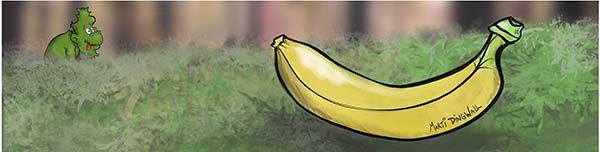 MARTI DINGWALL
In 1962, I was adopted by Bill and Isabel Graham, who emigrated from Perth, Scotland, in 1958 to Montreal, Quebec, Canada. I had always wondered about who my birth mother and father were and fabricated stories about how Rod Steward was probably my father. I did look like Rod and loved music, so I thought it was a perfect fit. In 2017, I decided to see if I could find information on my birth mother using Ancestry.ca. I found a third cousin who lived in Australia who was interested in helping me find my birth mother. I also went to Scotland and collected information about my adoption from the Edinburgh Registrar. The information I found led me up to Inverness, where I found my birth mother’s childhood home.
In May 2020, I was contacted by a birth aunt who knew my birth mother. She received my contact information through my third cousin’s connection in Australia. All the pieces started to come together. Here is what I found out:
My birth mother, Irene Elizabeth Calder, was forced to give me up by her father, Benjamin Calder. My understanding was that Ben’s wife died, and he got remarried. He struggled with alcohol and was not supportive of Irene. The man who helped conceive me was Sandy Dingwall. I believe she was my mother’s boyfriend. They were not married. My mother was sent from Inverness to Dundee to give birth to me, where she had to give me up for adoption. She returned to Inverness and was not to speak about it.
My birth mother eventually married Paul Penberthy and moved to Ireland. Her marriage failed, forcing her to return to Inverness. Her sisters moved to Florida, where Irene followed. She eventually moved up to Minneapolis, Minnesota. Giving me up for adoption was devastating to Irene. She never had any other children.
I found my birth father’s obituary. He had just passed away, too. He had three daughters: Alison, Yvonne, and Karen. My birth name is Martin Alexander Calder. (Sandy is short for Alexander). I would have been Marti Dingwall. I may have been the recipient of a few wedgies with that name.
DINGWALL – Peacefully, on Friday, 2nd August 2019, shortly after admission to Raigmore Hospital, Alexander Dingwall (Sandy), 1 Hilton Avenue, Inverness, aged 79 years. Former motor mechanic. Beloved husband of the late Christine, dearly loved father of Alison, Yvonne, Karen and the late Sandy, dear father-in-law, special grandad, great-grandad and a very good friend of many. The funeral service will be in Inverness Crematorium on Friday, 16th August 2019, at 2 pm. All welcome. Donations invited for Alzheimer Scotland may be given at the service or forwarded to William T. Fraser and Son, Culduthel Road, Inverness.
I received an email from my second cousin, Debra McFadden, who knew my birth mother and informed me that my birth mother had died a month ago. It was devastating news, especially when I was close to having met Irene. I am still receiving photos and family history that is very informative. This part of my story exemplifies what can happen when you push through inhibitions and fear and pursue adventure. I now have a brand new family who has welcomed me home.
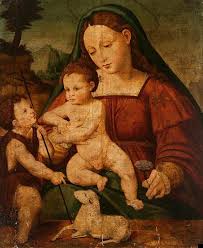
LEONARDO DAVINCI
This story began in October, before COVID. I was invited to spend a day with my Scottish cousin and her husband. Little did I know that I was about to be introduced to a story that would change my life, the lives of hundreds of children, and potentially the world.
We had just enjoyed a beautiful walk around the Crieff countryside and were settling down for a bite to eat. Our conversation started with talks about my anti-bullying presentations and summer camps but abruptly changed directions.
My cousin’s husband told me about a lady he met as a bank manager in Crieff. She was looking for a loan for sixty thousand pounds to start a charity that would serve the children of Scotland. She was considering selling some of her family heirlooms. Lindsay told her the bank would loan her the money and not sell her items. This triggered her curiosity and interest in discovering the value of her family heirlooms.
The lady I am speaking about is Fiona McLaren. One of the items Fiona had was a painting that had been hanging up in her barn, enhancing the interior over the years. The wall around the painting was painted, getting some of the new paint on the painting. The painting was given little attention.
Fiona brought the painting to an appraisal, and what she discovered would change her life. It was about to change the game.
The painting went through a detailed verification process. The famous Leonardo Da Vinci expert, Maurizio Seracini, looked it over for a week. It was assessed to be worth four hundred and fifty million pounds. Fiona McLaren plans to use these funds to establish the Catrina Foundation, a camp to help needy children.
This is where I come in. In my conversation with my cousin’s husband, he offered me the position of camp advisor. This would be the experience of a lifetime. We were waiting for the final word about the validity of the painting. It has been proven to be five hundred years old and to have been housed in the Vatican.
After much research and time, the painting was finally proven real and valued at one billion pounds. Three collectors have shown interest in buying the painting. A financial representative who worked with J.K. Rowling and Princess Diana had been connecting with billionaires. You would wonder who would have this kind of money. There are people out there who do, as there are three interested buyers. Like all the stories that become adventures, this story will continue to unfold because of the willingness to push through fear and develop the courage that opens the doors to these adventures.
THE VIDEOS
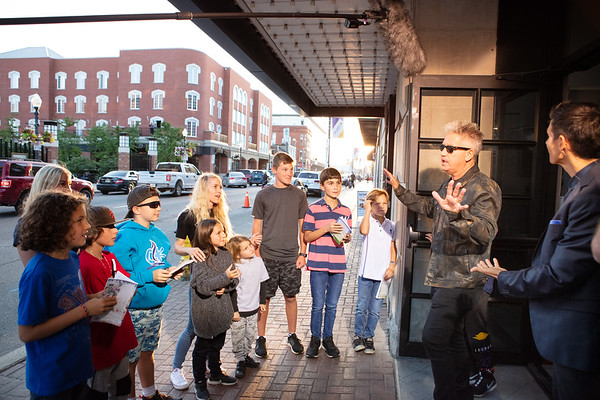
I need to be productive and feel a sense of accomplishment. COVID was impeding my ability to grow my business. I couldn’t offer Kids 4 Kids after-school programs; I no longer performed in schools or toured Canada and the UK. I needed to fight forward. I decided to produce a leadership and anti-bullying video, finish two ebooks and develop a new website for my presentations. It was a risk, as the cost for this project would be close to thirty thousand dollars. I contacted my friend, Adam, who owns Atomic Spark and got the ball rolling. I got Sarah Blackwood from the band Walk Off the Earth and Rick Campanelli from ET Canada involved in the project. I contacted a company called Design Thinking to create my website. They knew my friend Adam from Atomic Spark. Adam knew the Red Green Show producer, who joined the team as a consultant. The team was formed.
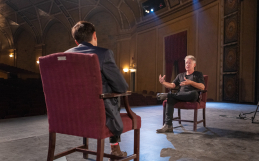
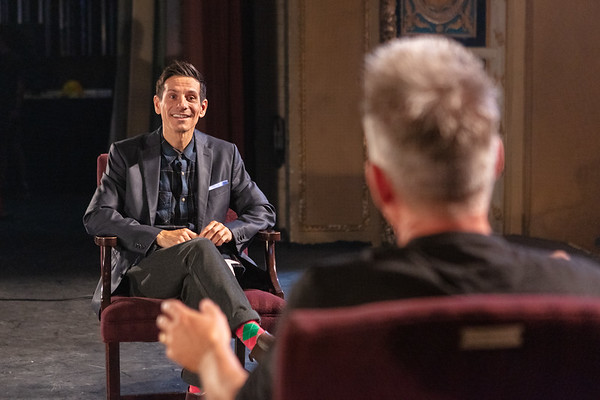
We filmed the videos at the Sanderson Centre in Brantford and my camp in Burlington. I was fortunate to have footage from a presentation I did at a school in Brantford before COVID-19. The videos turned out great, as did the website. I was also happy to have finished the e-books. I was ready to present my leadership anti-bullying presentations, with additional resources available for schools.
VIRTUAL PRESENTATIONS
I wasn’t able to present at school, but how about virtually? I wasn’t sure how I would like this style of presentation. My shows are interactive, and I love meeting the students and teachers in person. What would it be like to present in front of a computer? I received several school requests for virtual presentations, so I tried it. My first presentation was at St. John Catholic School in Guelph, Ontario. I presented to students in kindergarten up to grade 8. I was surprised. It wasn’t as bad as I thought. Then, a school from just north of Calgary, Alberta, purchased my videos. The response was excellent. I did a presentation for a parent group in Burlington, then off to Vancouver to present at Alexander’s Academy and the Vancouver YMCA. The YMCA presentation was challenging as it was scheduled for 7:00 pm Vancouver time, 10:00 pm my time. I was talking until midnight.
I have been learning about how to create an interactive virtual presentation. I have bought multiple cameras, green screens and video switchers. When everything returns to normal, I will still prefer to present face to face; however, virtual presentations will offer an alternative to flying to remote communities and open opportunities worldwide.
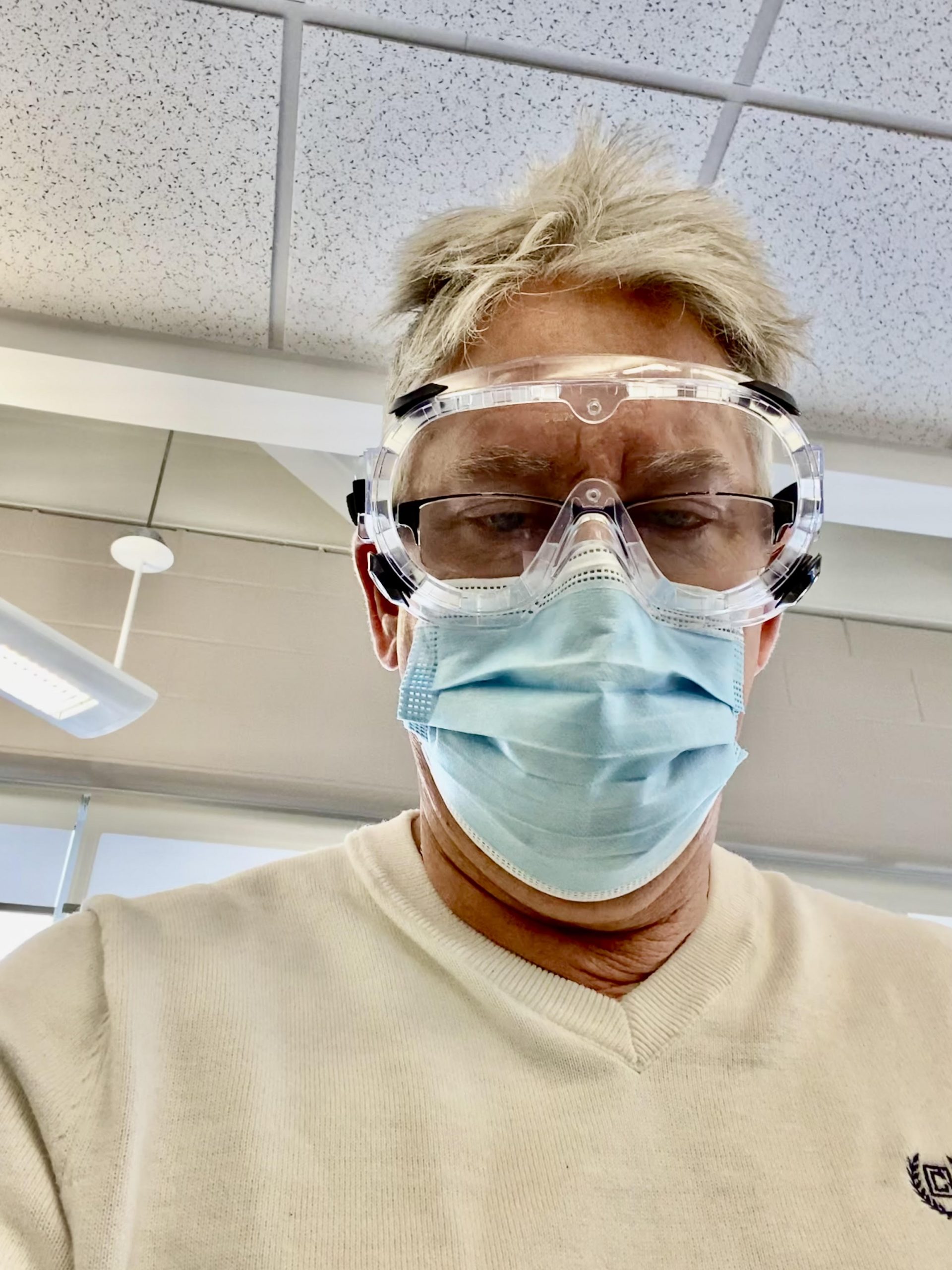 FRONTLINE WORKER AS AN EDUCATIONAL ASSISTANT
I will find the good in whatever challenging situation comes my way. After being an essential worker in a grocery store, I decided to do what I do best: work with children. I struggle with most things; however, God’s given me the gift and passion to inspire children. So, now it’s moving from essential worker to frontline worker. I began as an educational assistant in the Waterloo and Halton Catholic School Boards. Every experience has the potential to be a learning experience. I worked with strong, compassionate individuals committed to helping students with special needs.
I worked as an EA for the Halton Public School Board for twenty-eight years. I thought I had retired from this line of work eight years ago, but I was back. I decided to work at the schools in Halton, where I knew the students and principals. The Waterloo schools would be a new experience.
My first EA supply job was in St. Clements, a Mennonite community. It was at the top end of Waterloo. I travelled to Cambridge, Kitchener and Waterloo, working with Down Syndrome children, kids with severe behaviour issues, and academic needs. Just before Christmas, the students were to continue their studies online. Luckily, I secured a position at St. Gabriel School in Cambridge with students who had to attend school. One of the boys I worked with was a sweet grade four student with Wolf-Hirschhorn syndrome. He is always happy. One of the other autistic boys I taught was intense. He was nonverbal and unpredictable. I eventually came to enjoy the challenge of working with this boy and was given the name – the Boy Whisperer, by how I could inject a state of calm into this kid. This position ended early.
Again, on the day I was let go, I received a message from a principal in Oakville asking me if I was free. It was time for a new adventure. I was now working with two autistic boys; one was verbal and avoided work at all costs, and one was nonverbal. The verbal student frustrated me. To get him to do anything, I had to bribe him with stars and the use of an iPad. The nonverbal student would get frustrated and punch and kick me. I was punched in the nose, hit in the head, almost lost my teeth, and took a few hits to the groin. This boy got away from me once and booted down the hall at full speed. He also liked to climb things like light pools. I wasn’t sure if I could handle this student’s stress. I began liking this young man and picking up his cues as weeks passed. He was starting to like me, too. Maybe I was a boy whisperer?

It was time for a much-needed break. The March Break was pushed to April, and we all needed a rest by then. As most of us predicted, the Ontario Government closed schools and sent kids back to learning online after the break. Some students could handle this type of learning, but it would be difficult for many. I was already counselling children who were anxious and unable to cope with the added stress. Children have had their sports and school activities taken away. Children need to play. With the new school closures came closures of day camps for the April Break. I had already cancelled my Christmas and March Break camps, P.D. day Camps, and weekend programs. I wrote to my M.P., MPP, Doug Ford, Steven Lecce, and the mayor but only received “copy and paste” responses. I genuinely believe that children need camp. They need to be outside, playing, learning and growing. They need something to look forward to.